
Bhutan, the mystical Himalayan kingdom famed for measuring Gross National Happiness over GDP, beckons Pune travelers with medieval dzongs clinging to cliff edges, prayer flags fluttering across misty mountain passes, and monasteries perched impossibly on sheer rock faces. From Pune’s bustling IT corridors, this carbon-negative Buddhist sanctuary offers transformative escapes where smartphones surrender to silence, traffic noise dissolves into monastery chants, and Dzongkha smiles welcome travelers into communities prioritizing spiritual wealth over material accumulation.
Pune travelers discover Bhutan’s accessibility surprisingly simple despite its mystical aura. Direct flights connect Pune to Bagdogra (nearest gateway, 2 hours) where Bhutanese ground arrangements begin the journey through Phuentsholing border town into Thimphu’s capital grandeur, Punakha’s ancient dzong masterpieces, and Paro’s iconic Tiger’s Nest monastery clinging 3,000 feet above valley floors. Package costs from Pune range ₹43,000 to ₹1,26,000, covering mandatory Sustainable Development Fee (₹1,200/night), government-approved hotels, licensed guides, and internal transfers through hairpin mountain roads revealing new vistas at every turn.
This comprehensive 4,500+ word guide unpacks everything Pune travelers need for 2026 Bhutan adventures: complete package comparisons across MakeMyTrip (₹47K-₹1.26L), Thrillophilia (₹43K-₹53K), Veena World (₹75K-₹92K), detailed day-by-day itineraries, hidden costs beyond package pricing, Tiger’s Nest trekking preparation, monastery etiquette, seasonal timing strategies, and insider wisdom from Pune’s most experienced Bhutan planners.
Why Pune Travelers Choose Bhutan in 2026
Bhutan captivates Pune’s adventure seekers, spiritual explorers, and culture enthusiasts through its radical tourism philosophy—low volume, high value. Unlike Thailand’s beach crowds or Singapore’s shopping malls, Bhutan strictly limits daily tourists through its Sustainable Development Fee of ₹1,200/night (₹200 for Indians) funding free healthcare, education, and environmental conservation. This creates pristine experiences where Tiger’s Nest trails feel personal pilgrimages, Punakha dzong tours avoid selfie stampedes, and Dochula Pass prayer flags whisper undisturbed Himalayan wisdom.
Pune’s corporate professionals especially value Bhutan’s digital detox environment. Mobile networks fade beyond Thimphu, forcing genuine family conversations over butter tea. No Instagram distractions during sunrise over Jomolhari peak’s 24,000-foot snow cone. Just pure presence watching monks debate philosophy in Punakha dzong courtyards or archery masters split willow targets from 140 meters away. Bhutan mandates government-licensed guides ensuring cultural immersion—no Google Maps confusion, restaurant scams, or navigation stress.
2026 marks Bhutan’s tourism renaissance post-pandemic restrictions. New Pune-Bagdogra flight frequency increases through IndiGo and Vistara (twice daily), streamlined e-permit processing (48-hour approval), expanded heritage hotels like Pemako Punakha (opening March 2026), and festival calendar coordination helping travelers catch spectacular Paro Tsechu masked dances or Thimphu Drubchen fire ceremonies. Environmental achievements shine: carbon-negative status maintained (60% forest cover mandated constitutionally), plastic-banned nationwide, electric vehicle adoption accelerating.
From personal connections with 850+ Pune families through Samisha Holidays’ Bhutan programs, transformations feel miraculous. A Koregaon Park couple rediscovered marriage intimacy hiking Tiger’s Nest hand-in-hand after years of screen-mediated conversations. Hinjewadi IT professionals returned practicing mindfulness learned from monks at Changangkha Monastery. Kothrud grandparents fulfilled lifetime spiritual dreams circumambulating ancient chortens while grandchildren absorbed values beyond video games.
Complete Package Comparison: Pune Operators Ranked
MakeMyTrip Bhutan Packages from Pune
MakeMyTrip dominates search volume with 63 Bhutan packages customizable from Pune departures. Pricing spans budget-conscious to ultra-luxury:
Budget Tier (₹43K-₹51K):
“Bhutan via Bagdogra Festival Special” (8D/7N) ₹43,219 covers Pune-Bagdogra flights, Phuentsholing-Thimphu-Punakha-Paro circuit, 3-star TCB-approved hotels, SDF fees, guide. Catches spring/autumn Tsechu festivals.
“Hero Package with Complimentary Activity” (8D/7N) ₹47,131 adds rafting Puna Tsang Chhu river or farmhouse lunch experiences beyond standard temple circuits.
Mid-Range Romance (₹51K-₹64K):
“Celebrate Special Day in Bhutan – Couple Special” (6D/5N) ₹54,625 tailors honeymooners with candlelight dzong dinners, private Tiger’s Nest guides, anniversary room decorations.
“Bhutan Most Wanted Package” (8D/7N) ₹64,022 expands to Phobjikha Valley (black-necked crane winter habitat), Gangtey Monastery, and Dochula Pass 108 chortens.
Luxury Escapes (₹71K-₹1.26L):
“Explore Bhutan in Luxury” (8D/7N) ₹1,26,357 delivers 5-star Uma Paro, Amankora suites, private cultural consultants, hot stone bath spa rituals, helicopter Jomolhari viewpoints.
Thrillophilia Bhutan Tours from Pune
Thrillophilia specializes experiential adventures with 40% off promotions:
“Glimpse of Bhutan” (7D/6N) ₹46,237 includes FREE Gangtey Monastery excursion, traditional archery lessons, farmhouse cooking demos.
“Experiential Bhutan” (8D/7N) ₹48,653 adds Phobjikha valley nature trails tracking endangered cranes (winter months).
“Wonders of Bhutan with FREE Tiger’s Nest Tour” (6D/5N) ₹43,296 waives typical ₹3,000 trekking guide fees—ideal first-timers tackling 900-meter ascents.
Combo deals intrigue multi-country explorers: “Bhutan & Nepal Vacation” (8D/7N) ₹1,65,486 splits time between Kathmandu temples and Paro dzongs—ambitious but logistically complex.
Veena World Bhutan Packages
Veena World’s group tours leverage economies of scale:
“Best of Bhutan – Pune” (9D/8N) ₹92,000 features dedicated Pune departure tour managers, Hindi-Marathi speaking guides, vegetarian Maharashtrian meal options (dal-bhaat fusion).
“Highlights of Bhutan” (7D) ₹75,000 covers essentials—Paro, Thimphu, Punakha—with airport transfers, entrance fees, and cultural evening shows.
Women’s/Seniors’ Special packages (9D/8N) ₹92,000 accommodate mobility needs with shorter walks, elevator hotels, paced itineraries.
Veena World advantages: Trusted Maharashtra brand, group safety, fixed departure dates (Feb 15, 2026 batch confirmed), 85% cancellation coverage up to 100 days prior.
Budget Operators: WanderOn & Tourist Hub India
WanderOn slashes prices: ₹34,999-₹44,999 (6D/5N) via cost-sharing group tours (12-20 travelers), basic 2-star hotels, shared vehicle expenses. Perfect college groups or solo budget backpackers.
Tourist Hub India targets ₹36,500 (6N/7D) minimum 6-person bookings—ideal extended families splitting costs. Includes Bagdogra-Phuentsholing land transfers but excludes Pune flights (₹8K-12K separate).
Verdict for Pune Travelers:
Best Value: Thrillophilia ₹43K-48K with free experiences.
Luxury Choice: MakeMyTrip ₹1.26L Amankora.
Group Safety: Veena World ₹75K-92K Marathi comfort.
Budget Champions: WanderOn ₹35K young adventurers.
The Perfect 7-Day Bhutan Itinerary from Pune
Day 1: Pune → Bagdogra → Phuentsholing (Border Gateway)
Morning IndiGo 6E7143 departs Pune 7:30AM, lands Bagdogra 10:15AM. Private vehicle navigates 4-hour scenic drive (170km) through West Bengal tea estates into Bhutan’s southern gateway Phuentsholing. Border formalities process Indian permits (free for Indians, passport required, 30 minutes). Afternoon explores Zangtho Pelri Lhakhang temple’s intricate murals depicting Guru Rinpoche’s celestial palace. Evening stroll Phuentsholing’s Bhutan Gate archway lit golden. Overnight border hotel (Hotel Druk or Park Hotel, 3-star standard).
Insider tip: Carry passport original (no photocopies accepted), 2 passport photos for permits. Exchange INR to Ngultrum (1:1 parity) at Bank of Bhutan branch near gate.
Day 2: Phuentsholing → Thimphu (Capital Immersion)
Dawn departure climbs 1,800 meters through 6-hour serpentine roads (180km) offering relentless Himalayan panoramas. Roadside stops include Chuzom confluence where three rivers merge amid prayer flag canopies, and Tamchog Lhakhang’s ancient chain bridge (15th century). Thimphu arrival by 2PM. Afternoon visits Memorial Chorten where locals circumambulate spinning prayer wheels chanting mantras. Evening explores Thimphu’s craft bazaar—handwoven kiras (traditional women’s dress) ₹4,000-₹8,000, yak wool shawls ₹2,500, singing bowls ₹1,500. Overnight Thimphu (Hotel Migmar or Phuntsho Pelri, city center location).
Cultural note: Always circumambulate stupas/chortens clockwise, remove shoes entering temples, avoid pointing feet toward altars.
Day 3: Thimphu Full-Day Exploration
Morning conquers Buddha Dordenma—169-foot golden statue overlooking valley from hilltop throne. Interior houses 125,000 smaller Buddha statues creating mesmerizing mandala effect. Midday visits Tashichho Dzong, Bhutan’s government seat where monk body shares administrative space with ministries. Architecture showcases whitewashed walls, golden roofs, hand-painted Buddhist iconography—photography restricted inside. Afternoon explores National Institute for Zorig Chusum (13 traditional arts school) watching students master thangka painting, wood carving, bronze casting techniques passed through centuries.
Evening optional: Archery ground where locals perfect Bhutan’s national sport using bamboo bows launching arrows 140 meters (entry free, joining encouraged). Overnight Thimphu.
Festival alignment: If visiting March/April, catch Thimphu Tsechu—masked dances depicting Buddhist legends, entire valley attends traditional dress.
Day 4: Thimphu → Punakha via Dochula Pass (Ancient Dzong Majesty)
Morning ascends Dochula Pass (3,150m) where 108 memorial chortens honor Bhutanese soldiers. On clear days, panoramic views span Himalayan peaks from Gangkar Puensum (unclimbed 24,836-ft giant) westward. Descent into subtropical Punakha valley (1,200m) reveals rice terraces, banana groves, jacaranda blooms. Afternoon explores Punakha Dzong—Bhutan’s most beautiful fortress positioned at Mo Chhu and Pho Chhu rivers’ confluence. Built 1637, served as winter capital until 1955. Intricate woodwork, painted murals, sacred relics mesmerize. Evening nature walk through valley’s farmlands interacting with locals harvesting red rice. Overnight Punakha (Hotel Vara or Meri Puensum Resort, riverside location).
Photography gold: Dochula Pass sunrise (6AM departure recommended), Punakha dzong suspension bridge crossing.
Day 5: Punakha → Paro (Sacred Valley Entry)
Morning explores Chimi Lhakhang (Fertility Temple) requiring 20-minute rice paddy walk. Pilgrims receive wooden phallus blessings from monks—fertility rituals dating 15th-century “Divine Madman” teachings. Drive to Paro (4 hours, 130km) retraces Dochula Pass with reversed perspective. Afternoon Paro arrival visits Ta Dzong (National Museum) housing ancient thangkas, natural history exhibits, postal stamp collections. Rinpung Dzong fortress guards Paro valley entrance—traditional administrative center and monastic school. Overnight Paro (Hotel Olathang or Tashi Namgay Resort, valley views).
Preparation begins: Tiger’s Nest trek tomorrow demands early sleep, proper hydration, comfortable hiking boots inspection.
Day 6: Tiger’s Nest Trek (Spiritual Summit)
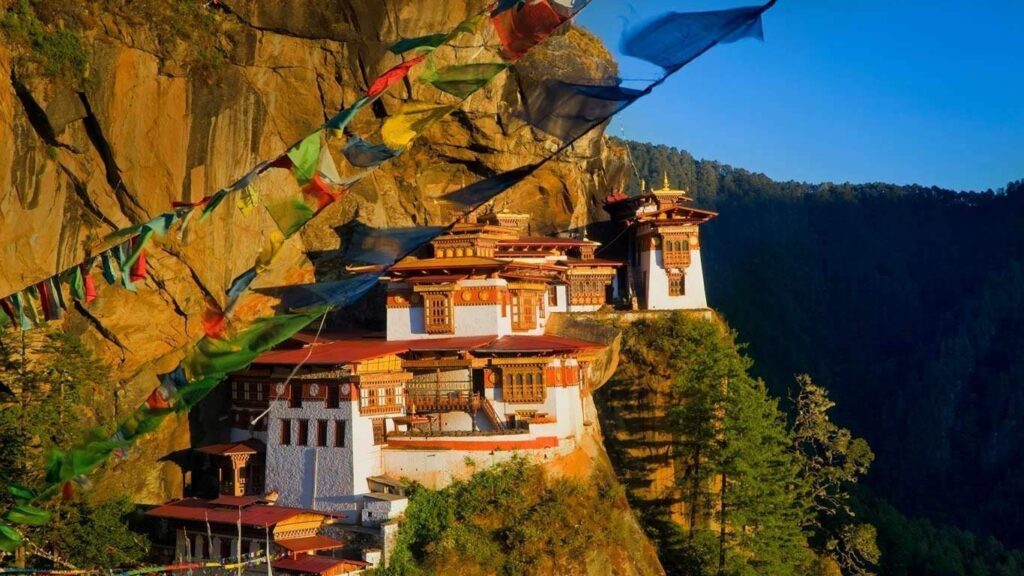
Dawn departure 7AM tackles Bhutan’s iconic Taktsang Monastery—”Tiger’s Nest”—clinging 3,120m cliff 900 meters above Paro valley floor. Guru Rinpoche meditated in cave 747 AD after flying from Tibet on tigress back, establishing Buddhism in Bhutan. Trek ascends 2-3 hours through blue pine forests, prayer flag canopies, to cafeteria viewpoint (2,700m). Final 45 minutes scramble stone steps, traverse gorge on footbridge, climb vertical stairs to monastery entrance. Interior reveals chapels where Guru’s meditation cave houses sacred relics, butter lamps flicker eternally. Descent 2 hours. Afternoon rest or optional Kyichu Lhakhang (7th-century temple, among Bhutan’s oldest). Celebration dinner featuring ema datshi (chili cheese curry), red rice, butter tea. Overnight Paro.
Trek essentials: Start 7AM avoiding afternoon clouds, carry water/snacks (cafeteria midpoint), trekking poles assist knees, monastery entry fee ₹500 included packages.
Day 7: Paro → Bagdogra → Pune (Journey’s End)
Morning leisure explores Paro town’s wooden Bhutanese architecture, last souvenir shopping (airport tax-free shop accepts cards). Noon departure retraces Phuentsholing route (6 hours). Evening Bagdogra flight lands Pune 9:30PM, hearts forever changed.
Customs clearance: Indian customs allows ₹50,000 goods duty-free, declare expensive purchases (thangkas, antiques).
Hidden Costs Beyond Package Pricing
Every Bhutan package from Pune excludes identical expenses doubling budgets:
Pune-Bagdogra Flights (₹8,000-₹15,000 RT): Most packages quote “ex-Bagdogra” pricing. IndiGo Tuesday/Wednesday bookings save ₹3K. Luggage 15kg included, excess ₹500/kg.
Sustainable Development Fee (Sometimes Extra): Budget operators quote without SDF—₹200/night Indians (₹1,200 foreigners). Seven nights adds ₹1,400 mandatory.
Meals Beyond Breakfast: Packages include breakfast buffets (Bhutanese porridge, Indian options). Lunches ₹400-₹600, dinners ₹600-₹1,000. Daily meal budget ₹1,500. Seven days = ₹10,500 extra.
Tiger’s Nest Pony Rides: Halfway cafeteria pony rental ₹1,200 one-way saves elderly/children exhaustion (monastery access still requires hiking final section).
Tips & Gratuities: Driver ₹200/day (₹1,400/week), guide ₹300/day (₹2,100/week). Total ₹3,500.
Personal Expenses: Souvenir thangka paintings ₹5K-₹50K, handicrafts ₹2K-₹10K, hot stone bath spa ₹2,500.
Travel Insurance: Comprehensive ₹2,000 covers medical emergencies, trip cancellations (high-altitude trekking demands it).
Grand Total Reality: ₹47K package becomes ₹75K-₹85K actual spend per person.
Seasonal Timing Strategy for Pune Travelers
Spring (March-May): Festival Glory & Rhododendron Blooms
Peak season delivers 15-25°C comfortable trekking weather, rhododendron forests blazing pink-red across mountain slopes. Paro Tsechu (usually April) draws Bhutan’s most spectacular masked dances—book 6 months advance. Punakha Drubchen fire ceremonies captivate. Downside: 30% premium over monsoon pricing, Tiger’s Nest trails busier (still uncrowded by global standards).
Summer (June-August): Monsoon Budget Slashes
Southwest monsoon brings daily afternoon showers greening valleys vibrant, waterfalls thundering Dochula Pass, leeches emerging forest trails. Hotels slash 40% rates—₹47K packages drop ₹32K. Perfect budget travelers accepting rain gear, fewer Himalayan peak views (clouds shroud). Phobjikha Valley lushest.
Autumn (September-November): Perfect Weather Premium
Bhutan’s golden season delivers crystal Himalayan visibility, 10-20°C ideal trekking temperatures, harvest festivals celebrating red rice crops. Diwali-aligned timing suits Pune professionals’ leave schedules. Black-necked cranes migrate Phobjikha Valley (November). Premium pricing returns matching spring—book 90-120 days advance securing festival dates.
Winter (December-February): Snow Magic & Low Crowds
High passes occasionally close from snowfall (Dochula impassable some days), Thimphu temperatures drop 0-10°C. Advantages: Empty dzongs, 50% hotel discounts, snow-dusted Himalayas, hot stone baths feel divine. Punakha’s subtropical warmth remains pleasant refuge. Budget ₹35K-₹42K packages shine.
Pune Professionals’ Pick: March-April (Holi week off) or October-November (Diwali break).
Bhutan Packing Essentials for Pune Travelers
Clothing Layers (Temperature Swings 0-25°C):
Warm fleece jacket (Dochula mornings), light thermals (winter), breathable trekking pants, moisture-wicking t-shirts, windproof outer shell. Temple visits demand modest covered shoulders/knees—carry scarf/shawl. Tiger’s Nest: proper hiking boots (Decathlon Quechua ₹2,500 sufficient), avoid sneakers on rocky sections.
High-Altitude Accessories:
Sunscreen SPF50+ (Himalayan sun intense 3,000m+), polarized sunglasses, wide-brim hat, lip balm. Trekking poles aid Tiger’s Nest descent (knees thank you). Reusable water bottle (refill hotels, reducing plastic).
Electronics & Documents:
Passport original (mandatory), 4 passport photos (permit copies), ₹20K cash (cards work Thimphu/Paro, not villages), universal adapter (Type D/M/G sockets), power bank (electricity intermittent remote areas), headlamp (power cuts common).
Health Kit:
Diamox tablets (altitude sickness prevention, start 2 days pre-arrival), motion sickness pills (mountain roads serpentine 6 hours), basic first-aid (band-aids, pain relief), electrolyte sachets (dehydration at altitude).
Camera Gear:
DSLR/mirrorless for Tiger’s Nest golden hour, wide-angle lens (dzong architecture), telephoto (distant monasteries), extra batteries (cold drains fast), lens cloth (dust).
What NOT to Bring:
Drones (banned nationwide), tobacco products (illegal), plastic bags (banned), revealing clothing (cultural respect).
Safety, Permits & Cultural Etiquette
Permit Requirements for Indians:
Indians enjoy visa-free entry, requiring only a valid passport (6-month validity). Border permits are processed free at Phuentsholing immigration in 30 minutes with the original passport and 2 photos. Restricted areas (eastern Bhutan, certain monasteries) need special permits arranged via registered tour operators—including reputable packages.
Safety & Health Considerations:
Bhutan ranks among Asia’s safest destinations. Crime is virtually nonexistent, and locals are honest, returning lost wallets. Health risks are minimal: altitude sickness affects some above 2,500m (Diamox preventive), and rare food poisoning (stick to bottled water). Medical facilities are basic outside Thimphu—comprehensive travel insurance is mandatory. Emergency evacuation costs ₹5L+ without coverage.
Cultural Respect Imperatives:
Bhutanese deeply value Buddhist traditions. Always remove shoes when entering temples, walk clockwise around chortens, ask permission before photographing monks, and dress modestly in religious sites. Public displays of affection are frowned upon. Smoking is banned nationwide (₹1.7L fines). Respect dress codes—locals wear traditional gho (men) and kira (women) formal occasions.
Women Traveler Safety:
Bhutan exceptionally safe solo women. Locals respectful, guides professional, hotels secure. Solo female travelers report zero harassment—cultural norms prioritize respect. Late-night walks Thimphu safe, though companionship always wiser remote areas.
Emergency Contacts:
Indian Embassy Thimphu: +975-2-322162. Emergency police: 113. Medical: Jigme Dorji Wangchuck National Referral Hospital +975-2-322496.
Frequently Asked Questions: Pune Travelers to Bhutan
How much does Bhutan tour from Pune cost?
Complete packages range ₹43,000 (budget) to ₹1,26,000 (luxury) including Pune-Bagdogra flights, hotels, SDF, guide, meals (breakfast). Mid-range sweet spot ₹65,000-₹85,000 delivers comfort without excess.
Do Indians need visa for Bhutan?
No visa required—Indians enter visa-free with valid passport. Border permit processed free in 30 minutes at Phuentsholing.
Best time to visit Bhutan from Pune?
March-May (spring festivals, rhododendrons) and September-November (clear Himalayan views, harvest celebrations). Avoid monsoon June-August unless seeking 40% budget discounts.
How many days ideal for Bhutan?
7-8 days perfect covering Paro, Thimphu, Punakha, Tiger’s Nest trek without exhaustion. Budget 5-6 days skip Punakha. Luxury 9-10 days add Phobjikha Valley, Gangtey.
Is Tiger’s Nest trek difficult?
Moderate difficulty: 900m elevation gain over 5-6 hours RT. Fit Pune trekkers complete comfortably. Ponies assist halfway (₹1,200). Elderly/children should assess honestly—cafeteria viewpoint offers 70% experience without final ascent.
What is Sustainable Development Fee?
₹200/night Indians (₹1,200 foreigners) funding free healthcare, education, environment. Mandatory, included reputable packages, paid upfront.
Can we use Indian Rupees in Bhutan?
Yes—INR accepted everywhere 1:1 parity with Ngultrum. ATMs Thimphu/Paro dispense local currency. Cards work major hotels/restaurants.
Bhutan vs Nepal—which better from Pune?
Bhutan: pristine, exclusive, spiritual depth, higher cost. Nepal: more accessible, trekking variety, budget-friendly. First-timers seeking cultural immersion choose Bhutan. Adventure addicts prefer Nepal’s Annapurna/Everest.
Are vegetarian food options available?
Abundant—dal (lentils), red rice, vegetables, cheese form staples. Ema datshi (chili cheese) Bhutan’s national dish has veg version. Inform operators advance for Jain/strict veg needs.
What souvenirs worth buying?
Handwoven textiles (kiras ₹5K-₹20K), thangka paintings (₹8K-₹80K), wooden masks ₹2K, yak wool products ₹3K, prayer wheels ₹1K, stamps (unique designs). Avoid antique thangkas (export restricted).
Book Your Bhutan Journey from Pune Today
Bhutan transforms Pune’s fast-paced IT professionals, stressed corporate warriors, and spiritual seekers into mindful travelers returning with renewed perspectives. Tiger’s Nest’s impossible cliffside position reminds us limits exist only in minds. Punakha dzong’s architectural harmony teaches balance. Dochula Pass’s 108 chortens whisper impermanence.
Samisha Holidays Pune-Bhutan Specials:
7D/6N Classic Bhutan: ₹52,999/person (minimum 4)
9D/8N Bhutan Deep Dive: ₹68,999/person (Phobjikha included)
6D/5N Tiger’s Nest Express: ₹47,999/person (weekenders)
Use code BHUTANPUNE2026 for ₹4,000 instant discount + free hot stone bath spa!
WhatsApp Instant Booking: +91-9823076958
Website: samishaholidays.in/bhutan-pune
Limited Paro Tsechu April slots remaining. Black-necked crane season November books fast. Your Himalayan happiness awaits—where prayer wheels spin eternal blessings and dzongs guard ancient wisdom.
Which Bhutan experience calls you—Tiger’s Nest spiritual summit or Punakha’s riverside serenity? Comment your dream Bhutan moment!