
Why March Is the Sweet Spot for Hill Station Travel
Let’s be honest — by the time March rolls around, most of us are completely done with the sweltering sun that starts creeping in from February. Your phone’s weather app already shows 35°C for your city, and it’s not even summer yet. That’s your cue to pack a bag and head to the hills.
March is honestly one of the most underrated months for hill station trips in India. The tourist rush of December and January is long gone, the monsoon is still months away, and the landscapes are at their absolute freshest — wildflowers blooming, streams running clear, and the air carrying that cool crispness that you just can’t find anywhere in the plains.
I’ve traveled to hill stations across India over the past decade, and if someone asks me, “Which month should I go?” March is almost always my answer. You get good weather, manageable crowds, reasonable hotel prices, and all the beauty without the chaos of peak season.
Whether you’re planning a solo escape, a couple’s retreat, or a family holiday, the best hill stations in India in March are waiting. Here’s everything you need to know.
Why Visit Hill Stations in March
There are practical reasons, and then there are the feel-good reasons. Let’s cover both.
The weather is perfect. Most hill stations in India sit between 8°C and 20°C in March — not cold, not uncomfortably warm. It’s that ideal “light jacket in the morning, t-shirt by noon” kind of weather that makes outdoor exploration genuinely enjoyable.
The crowds thin out dramatically. The peak winter holiday season ends by mid-January. By March, most destinations are significantly less crowded, especially on weekdays. You’ll actually get to enjoy your hotel balcony view without another family’s kids running around.
Prices drop. Hotel rates and cab charges are considerably lower in March than in December or May. For budget-conscious travelers, this is a major win.
Nature is at its bloom. Spring arrives across most of the Himalayas and Western Ghats in March. Rhododendrons turn the hillsides red and pink, cherry blossoms appear in some parts of Himachal, and the tea gardens in Darjeeling and Munnar turn a lush, almost electric green.
Fewer rains, clearer skies. Unlike July or August, March gives you largely clear days with excellent visibility — ideal for mountain views, photography, and outdoor adventures.
These are the March travel destinations in India that you really shouldn’t be sleeping on.
Top Hill Stations to Visit in March 2026
Manali, Himachal Pradesh
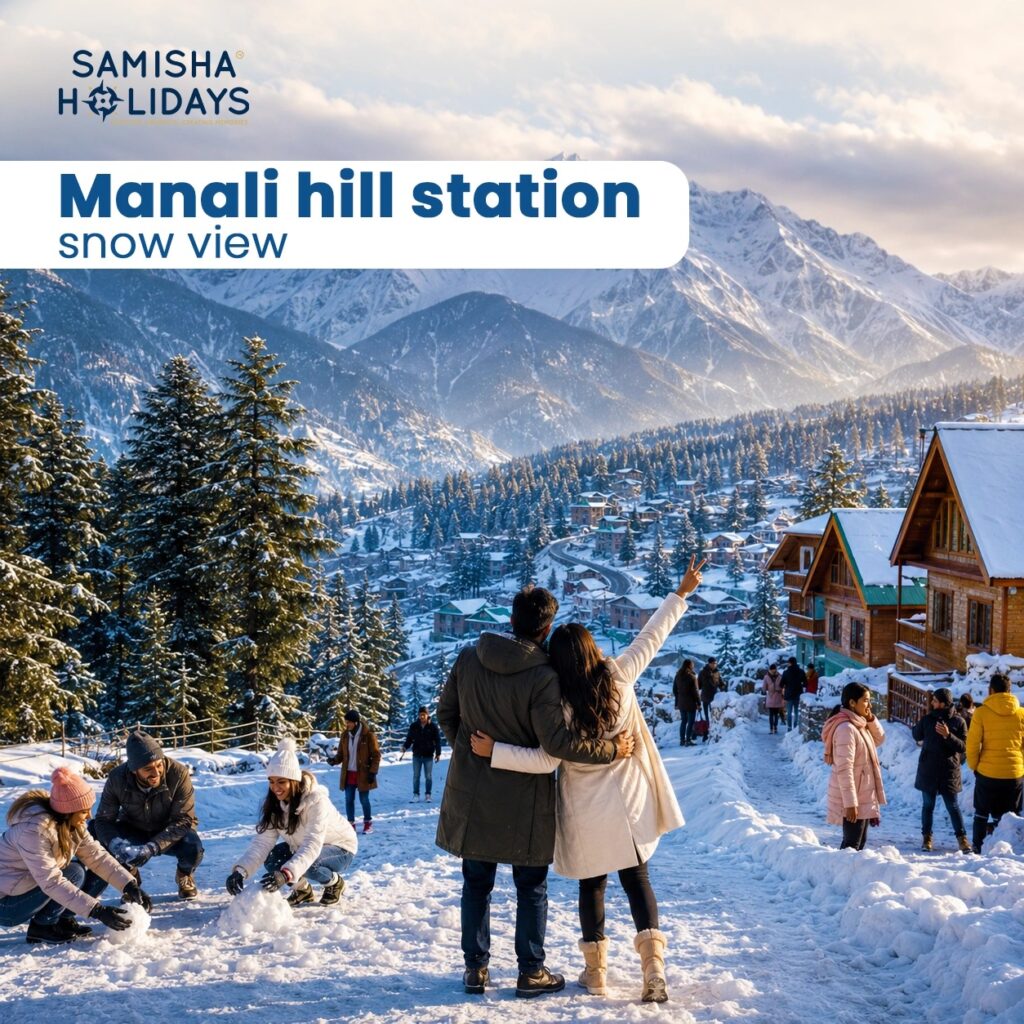
Why visit in March: Manali in March sits in that perfect transition between winter and spring. The snow at Solang Valley and Rohtang Pass is still very much there — you can play in it without the brutal cold of January. Meanwhile, the town itself is waking up from its winter sleep, cafés are reopening, and the energy is building.
Temperature: 2°C to 15°C. Rohtang Pass may still be closed to civilian vehicles, but Solang Valley is accessible and absolutely stunning under snow.
Top things to do:
- Snow activities at Solang Valley (skiing, zorbing, snowmobiling)
- Walk through Old Manali and explore the café scene
- Visit the Hadimba Temple, surrounded by the deodar forest
- Try paragliding if conditions permit
- Day trip to Naggar Castle
Best for: Couples, adventure seekers, first-time Himachal visitors
Insider tip: Book your Solang Valley snow activity in advance — by March, operators are busier than in January as more tourists are comfortable with the temperatures. Also, carry layers even if the afternoon feels warm. The moment the sun dips, it gets cold fast.
Mussoorie, Uttarakhand
Why visit in March: Called the “Queen of Hill Stations” for a reason, Mussoorie is absolutely gorgeous in March. The mist from winter clears up, the Himalayan views become sharp and dramatic, and Mall Road isn’t the elbow-to-elbow situation it becomes in May.
Temperature: 5°C to 18°C. Pleasantly cool with some sunny days.
Top things to do:
- Walk Mall Road at sunrise (genuinely magical with fog lifting over the valley)
- Visit Kempty Falls — it’s not at full flow yet, but the gorge itself is beautiful.
- Take the cable car to Gun Hill for panoramic Himalayan views
- Day trip to Dhanaulti for apple orchards and eco-camping
- Explore Landour — the quieter, more charming older sibling of Mussoorie
Best for: Families, couples, writers, and solo travelers who like a relaxed pace
Insider tip: Stay in Landour rather than Mussoorie town if you want actual peace and quiet. The bakeries there are also exceptional — Sister’s Bazaar has some surprisingly good bread and cheese.
Ooty, Tamil Nadu
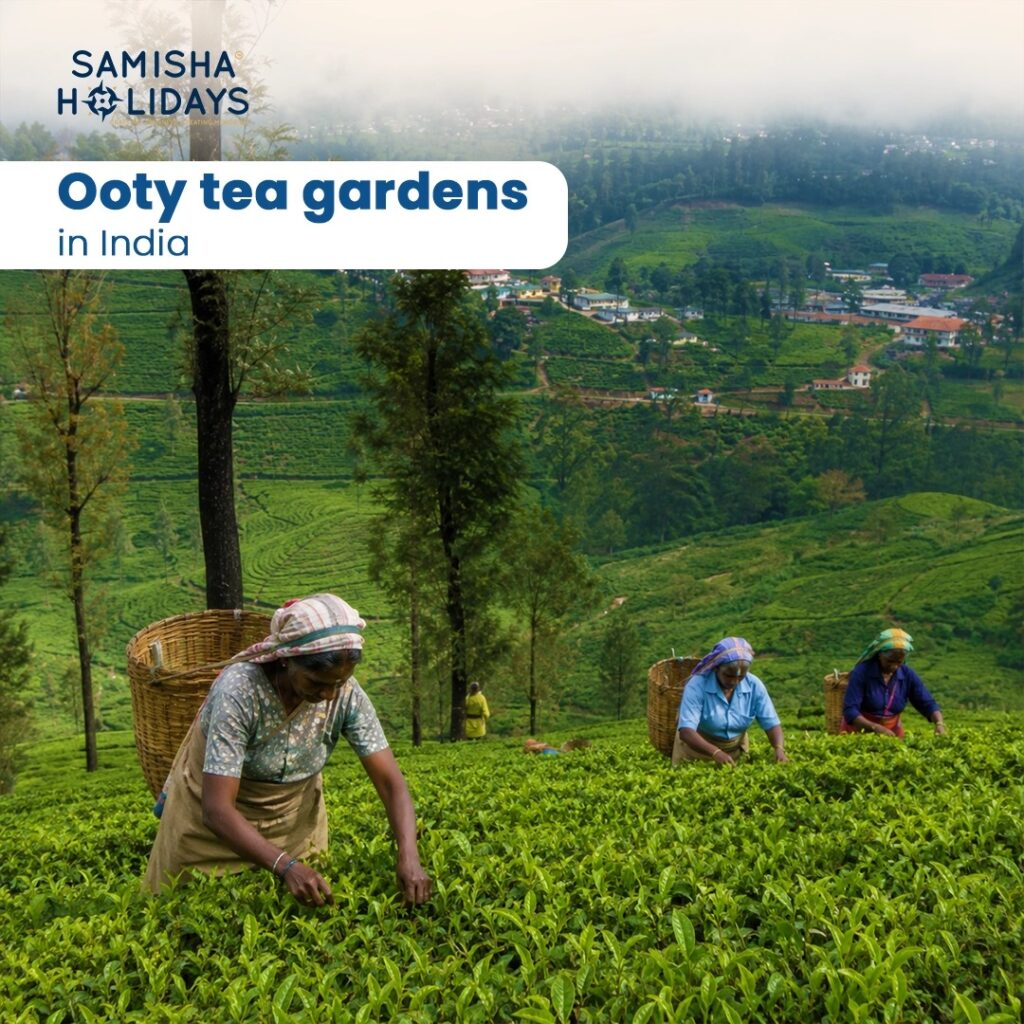
Why visit in March: Ooty is one of those cool places to visit in March in India that truly earns its reputation. March sits right before the summer rush, and the Nilgiris are stunning — the tea gardens are deeply green, the Botanical Garden has blooms happening everywhere, and the air temperature is just right.
Temperature: 10°C to 20°C. Comfortable throughout the day.
Top things to do:
- Ride the Nilgiri Mountain Railway (UNESCO heritage toy train)
- Explore the Government Botanical Garden — especially pretty in March
- Visit Doddabetta Peak for sweeping views
- Shop for homemade chocolates, fresh eucalyptus oil, and tea at local markets
- Drive to Pykara Lake and Waterfalls
Best for: Families, honeymooners, nature lovers, photographers
Insider tip: Skip the synthetic boat ride at Ooty Lake and instead spend that time driving up to Avalanche Lake — it’s about 28 km from town but the scenery on the way is jaw-dropping and far fewer tourists make it out there.
Coorg, Karnataka
Why visit in March: Coorg (Kodagu) is one of the best-kept secrets among March travel destinations in India. The coffee harvest season typically runs through early March, which means the air literally smells like roasting coffee beans. The estates are active, the waterfalls still have some water, and the misty mornings over the jungle are straight out of a dream.
Temperature: 15°C to 25°C. Warmer than northern hill stations but still significantly cooler than Bengaluru or Chennai.
Top things to do:
- Visit a coffee or spice plantation (many offer free guided tours)
- Hike to Abbey Falls
- Drive to Namdroling Monastery (Golden Temple) — architecturally stunning
- Try river rafting on the Barapole River
- Visit Raja’s Seat for sunset views
Best for: Couples, foodies, nature lovers, people who want a non-touristy vibe
Insider tip: If you’re a coffee person, buy directly from the estate. You’ll get freshly roasted, single-estate coffee at half the price you’d pay in any city café — and it’s genuinely better.
Darjeeling, West Bengal
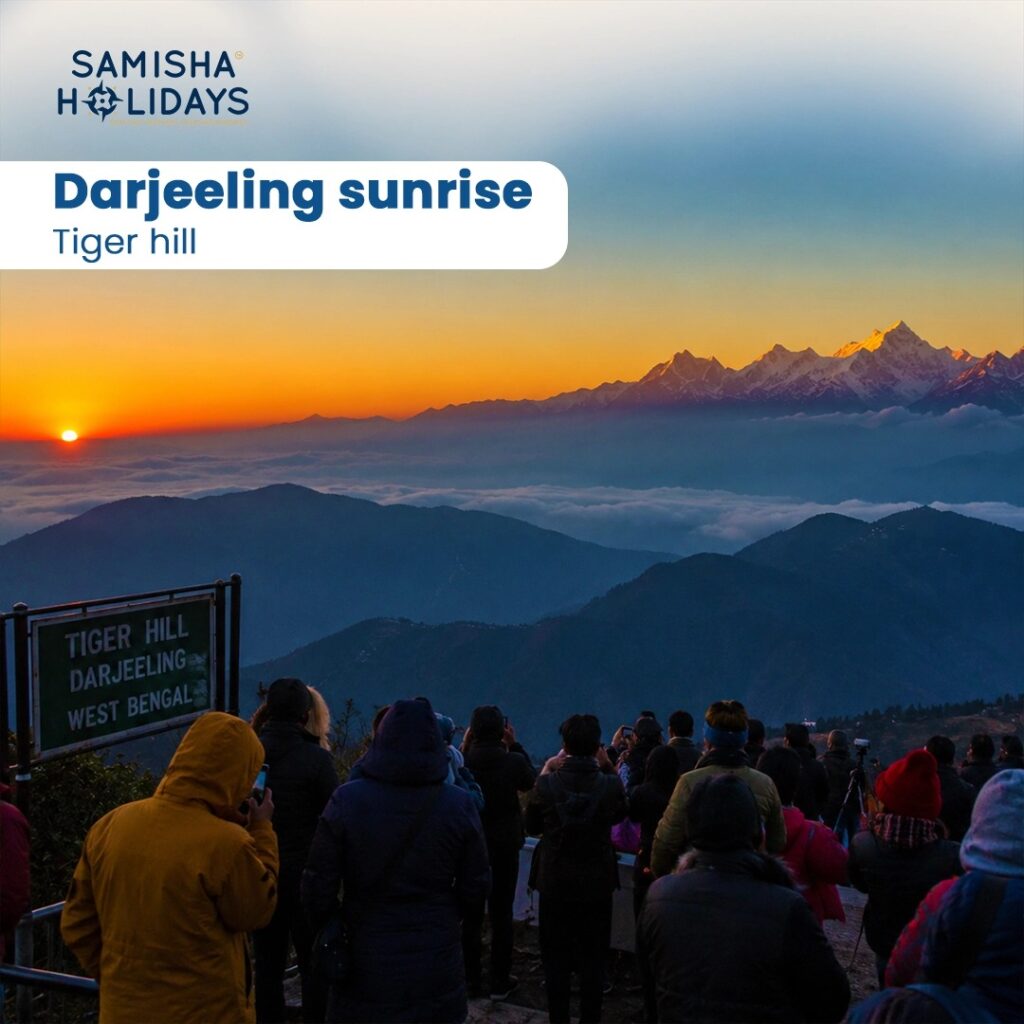
Why visit in March: Darjeeling in March is quietly spectacular. The first flush tea — considered the finest tea in the world — begins in mid-March, and if you time your visit right, you can actually watch plucking happen live at a tea garden. Plus, Kanchenjunga on a clear morning from Tiger Hill is one of the most breathtaking views you’ll ever see.
Temperature: 8°C to 18°C. Mornings are crisp, afternoons pleasant.
Top things to do:
- Wake up at 3:30 AM for the Tiger Hill sunrise (yes, it’s absolutely worth it)
- Visit the Darjeeling Tea Estate and factory for a firsthand look at tea processing
- Ride the Darjeeling Himalayan Railway (Toy Train)
- Walk through the Himalayan Mountaineering Institute
- Explore Chowrasta for local shopping and momos
Best for: Couples, tea enthusiasts, trekkers, photography lovers
Insider tip: The Tiger Hill viewpoint gets crowded even in March. There’s a lesser-known spot called Senchal Wildlife Sanctuary road on the way back that offers equally dramatic views — and you’ll likely have it to yourself.
Munnar, Kerala
Why visit in March: Munnar is one of those rare destinations that’s genuinely beautiful in almost every month, but March hits different. The tea gardens are impossibly green, the Neelakurinji (if it’s a blooming year) is something to watch, and the drive from Kochi through winding ghats passes through some of the most lush scenery in South India.
Temperature: 10°C to 25°C. Comfortable at any altitude.
Top things to do:
- Trek through the Eravikulam National Park to spot Nilgiri Tahr
- Walk through the KDHP Tea Museum
- Visit Mattupetty Dam and Indo-Swiss Farm
- Hike to Top Station for views into Tamil Nadu
- Wander through spice and tea markets in town
Best for: Families, couples, nature enthusiasts, Kerala circuit travelers
Insider tip: Eravikulam National Park has a seasonal closure for calving season (usually February to April). Check the current schedule before planning your trip specifically around this attraction.
Kasol & Kheerganga, Himachal Pradesh
Why visit in March: Kasol is one of those places that has a personality unlike any other hill station in India. Nestled in the Parvati Valley, it’s part hippie haven, part trekker’s paradise, part Israeli backpacker hub. In March, early trekkers start arriving, and the snow at Kheerganga is still present, making the hot springs there feel especially surreal.
Temperature: 5°C to 15°C in Kasol. Kheerganga can drop further.
Top things to do:
- Trek to Kheerganga (14 km from Barshaini) and soak in the natural hot spring at the top
- Walk the riverside trail to Chalal village
- Visit Manikaran Sahib Gurudwara — a beautiful spiritual experience
- Shop for silver jewelry and Tibetan goods in the Kasol market
- Day hike toward Grahan village
Best for: Solo travelers, trekkers, backpackers, the spiritually curious
Insider tip: The Kheerganga trek in March requires trekking poles and good grip shoes — the trail can be icy and slippery. Many agencies offer gear rental in Kasol village for reasonable rates.
Shillong, Meghalaya
Why visit in March: Shillong is criminally underrated as a March travel destination. The Northeast isn’t on most people’s radar for this time of year, but March is arguably Meghalaya’s best month — post-winter clarity, pre-monsoon freshness, and the living root bridges at their most accessible.
Temperature: 12°C to 22°C. Ideal sightseeing weather.
Top things to do:
- Drive to Cherrapunji and Mawsynram — the wettest places on earth, eerily quiet in March
- Trek to the double-decker living root bridge at Nongriat (a knee-testing 3,500 steps each way)
- Visit Dawki and the breathtakingly clear Umngot River
- Explore Ward’s Lake and Police Bazaar in Shillong
- Eat Jadoh (rice and pork dish) at a local dhaba — don’t skip this
Best for: Adventure travelers, Northeast explorers, photographers, offbeat seekers
Insider tip: The Nongriat living root bridge trek is doable in a day, but it will wreck your legs. Start by 7 AM, carry plenty of water and snacks, and wear proper trekking shoes. The views at the natural swimming pool at the bottom are 100% worth it.
Chikmagalur, Karnataka
Why visit in March: If Coorg has been on every travel list, Chikmagalur is its quieter neighbour that most people fly past. Surrounded by coffee estates and the Baba Budan Giri mountain range, March here is all about mist-covered peaks, freshly brewed estate coffee, and the kind of silence that’s genuinely therapeutic.
Temperature: 15°C to 28°C. Warm enough for light clothes during the day.
Top things to do:
- Trek to Mullayanagiri Peak — the highest in Karnataka
- Explore Hebbe Falls (accessible by jeep through a private estate)
- Visit Bhadra Wildlife Sanctuary for a wildlife safari
- Explore coffee plantations and learn about coffee processing
- Drive through Z Point for breathtaking valley views
Best for: Couples, nature lovers, weekend warriors from Bengaluru or Mangalore
Insider tip: Most estates in Chikmagalur offer homestay options right inside the plantation. Skip the standard hotel and book a plantation stay — waking up to the smell of coffee blossoms and birds at 6 AM is an experience you genuinely can’t put a price on.
Lansdowne, Uttarakhand
Why visit in March: Lansdowne is Uttarakhand’s best-kept secret, and March might be its absolute finest hour. This tiny, largely uncommercialised hill station sits at 1,706 metres and has retained the unhurried charm that Mussoorie and Nainital lost decades ago. In March, the oak and rhododendron forests are breathtaking, and you’ll rarely see another tourist.
Temperature: 8°C to 20°C. Perfect walking weather.
Top things to do:
- Walk through Tip N Top viewpoint for unobstructed Himalayan views
- Hike through the Bhim Pakora forest trail
- Visit the Garhwal Rifles Regimental Museum (surprisingly interesting)
- Explore St. Mary’s Church and the serene lake nearby
- Simply sit in the market with a cup of chai and do absolutely nothing
Best for: Solo travelers, couples, those seeking true quiet, stressed city dwellers
Insider tip: There are almost no ATMs in Lansdowne town. Carry cash. Also, it’s the kind of place where you should genuinely leave your work phone notifications off — the hills will do the rest.
Nainital, Uttarakhand
Why visit in March: Nainital is one of the most popular hill stations near me for a March trip if you’re in North India, and for good reason. The Naini Lake is stunning in spring light, the snow on nearby peaks hasn’t fully melted, and the town is buzzing without being overwhelming.
Temperature: 8°C to 18°C. Comfortable with light woolens.
Top things to do:
- Boat on Naini Lake at sunrise (genuinely peaceful before the crowds arrive)
- Cable car to Snow View Point
- Trek to Naina Peak for 360° views
- Visit the Nainital Zoological Park
- Eat at one of the lakeside restaurants — the Bal Mithai here is unmissable
Best for: Families, first-time hill station visitors, couples, groups
Insider tip: Avoid weekends if possible — Nainital can get seriously crowded on Saturdays and Sundays even in March. A mid-week visit gives you an entirely different, far more relaxed experience.
Kodaikanal, Tamil Nadu
Why visit in March: Kodaikanal in March is cool, misty, and wonderfully calm. It’s one of the best hill stations to visit in March for those in South India looking to escape the heat that’s already building in cities like Chennai and Hyderabad. The Kodai Lake is picturesque, the pine forests are atmospheric, and the chocolate shops along the main road are dangerously addictive.
Temperature: 10°C to 20°C. Often misty, especially mornings.
Top things to do:
- Row a boat on Kodaikanal Lake
- Trek to Dolphin’s Nose viewpoint
- Explore Berijam Lake (requires forest department permit)
- Visit the Solar Observatory
- Walk the Bryant Park botanical garden
Best for: Couples, solo travelers, South India-based families
Insider tip: Kodaikanal’s home-made chocolate is famous, but the quality varies wildly between shops. The stalls near the lake tend to use better cocoa — look for places that offer free samples before buying.
Explore More with Samisha Holidays
Are you planning an escape to one of these gorgeous hill stations in March? That is why you will see that at Samisha Holidays we really make the planning easy for you — tailor-made itinerary, selected accommodations and seamless transfers.
Here are some of our tours that compliment this guide perfectly:
- Off-beat Himachal Tour (7N/8D) — Kasol + Little/distant valleys and in-depth mountain trail that skipped in most tours.
- Kerala Tour (6N/7D) — The Complete Package for Munnar Tea Gardens, Backwaters & Explore All Of Kerala.
- Kashmir Tulip Festival Tour (7N/8D) — March and April are when Kashmir blooms with millions of tulips. A breathtaking alternative to the usual hill station circuit.
- Leh Ladakh Tour (6N/7D) — For those who want to graduate from hill stations to high-altitude adventure.
- North East India Tours — Explore Shillong, Meghalaya, Assam, and Arunachal with a fully planned package.
- Customize Your Own Trip — Have a specific hill station in mind? We’ll build the perfect itinerary around your dates, budget, and travel style. Plan a Custom Tour →
Wrapping Up
March is genuinely one of the best times to explore India’s hill stations — and yet it remains surprisingly underused by travelers who default to December or the summer break. The weather is right, the crowds are thin, the prices are fair, and the landscapes are as good as they get.
Whether you want snowfields in Manali, tea gardens in Munnar, living root bridges in Shillong, or the quiet charm of Lansdowne — March delivers all of it without the stress of peak season.
So stop waiting for the “right time” — it’s already here. Book your March trip, pack your light jacket, and go.
FAQs
Which hill station is best in March in India?
It depends on your preference. For snow and adventure, Manali is excellent. For lush greenery and tranquility, Coorg and Munnar win easily. For a complete offbeat experience, Lansdowne or Kasol is hard to beat. Darjeeling is perfect if you want the combination of mountains, tea gardens, and culture.
Is March a good time for hill stations?
Absolutely, yes. March is one of the best months to visit hill stations in India. The weather is comfortable (not too cold, not too hot), the crowds are manageable compared to peak seasons, and the natural beauty is at its springtime best with wildflowers and greenery.
Which hill stations are cold in March?
Manali, Darjeeling, Kasol, and Lansdowne tend to be the coldest in March, ranging from 2°C to 15°C. Ooty, Coorg, and Chikmagalur are warmer, usually between 15°C and 25°C.
Can I visit Rohtang Pass in March?
Rohtang Pass is usually still closed to civilian vehicles in March due to heavy snow. However, Solang Valley (which is accessible) offers excellent snow experiences and is typically open by mid-March.
Which hill station is least crowded in March?
Lansdowne in Uttarakhand and Chikmagalur in Karnataka are among the least visited and most peaceful hill stations in March. They’re perfect if you genuinely want to escape — not just relocate the city crowd to a different altitude.
What should I pack for a hill station trip in March?
Light woolens, a waterproof jacket, comfortable walking shoes (or trekking shoes if you plan to hike), sunscreen (UV is stronger at altitude), and an extra pair of warm socks. Don’t over-pack — March temperatures are mild enough that you don’t need heavy winter gear at most of these destinations.
Are hill station hotels cheaper in March than in December?
Yes, significantly so at most destinations. Prices can be 20–40% lower than peak December-January rates, and you get far better availability, especially for the nicer properties.